

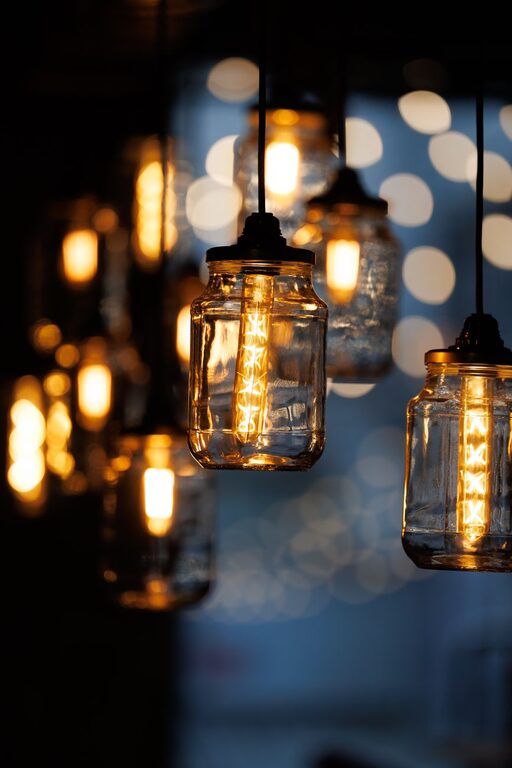
Creating a cozy and inviting atmosphere in your home starts with the right lighting. Comfortable home lighting not only highlights your interior design but also plays a key role in how you feel and function throughout the day. Whether you’re reading, cooking, or relaxing, the proper lighting can make a big difference. In this post, we’ll explore helpful tips for choosing home lighting that is both comfortable and practical.
Why Comfortable Lighting Matters
Lighting affects more than just visibility. It influences mood, productivity, and even your overall well-being. Poor lighting can strain your eyes, cause headaches, and make spaces feel dull or harsh. Comfortable lighting enhances your environment by providing the right brightness, color, and distribution.
Understand Different Types of Lighting
Before selecting fixtures, it’s helpful to understand the three main types of lighting used in homes:
1. Ambient Lighting
This is the general lighting that illuminates the entire room. Examples include ceiling-mounted fixtures, recessed lights, and chandeliers. Ambient lighting sets the overall tone and should provide sufficient brightness to navigate safely.
2. Task Lighting
Task lighting focuses on specific activities like reading, cooking, or working on hobbies. Desk lamps, under-cabinet kitchen lights, and vanity lights are common examples. They should be bright enough to reduce eye strain but not so intense as to create glare.
3. Accent Lighting
Accent lighting adds drama and highlights features like artwork, plants, or architectural details. This can be in the form of spotlights, wall sconces, or LED strips. It’s generally softer and used alongside ambient lighting.
Tips for Choosing Comfortable Home Lighting
Consider the Purpose of Each Room
Different rooms have different lighting needs based on their purpose. Here are some general guidelines:
– Living Room: Use layered lighting combining ambient, task, and accent sources. Consider dimmable lights to adjust brightness for relaxing or entertaining.
– Kitchen: Focus on bright task lighting over work areas, such as countertops and islands. Ambient lighting should be clear and shadow-free.
– Bedroom: Soft, warm lighting helps create a calm atmosphere. Use bedside lamps or wall sconces for reading.
– Bathroom: Bright, even lighting around mirrors is essential for grooming tasks. Avoid overly harsh lights.
Choose the Right Bulb Type and Color Temperature
The type of bulb and its color temperature greatly affect comfort.
– LED bulbs are energy-efficient, long-lasting, and available in various colors.
– Color temperature, measured in Kelvins (K), determines the “warmth” or “coolness” of the light.
– Warm light (2700K–3000K) feels cozy and inviting.
– Neutral white (3500K–4100K) is good for work areas.
– Cool white (5000K+) mimics daylight and is sharp but less relaxing.
For comfortable home lighting, many prefer warm to neutral white tones.
Use Dimmers for Control
Installing dimmer switches lets you adjust the brightness according to the time of day or activity. Dimmers add flexibility, allowing a brighter setting for tasks and a softer glow for relaxation.
Pay Attention to Light Placement
Where you position your lights impacts comfort and functionality.
– Avoid placing bright lights directly in your line of sight to prevent glare.
– Use indirect lighting by bouncing light off walls or ceilings for softer illumination.
– In workspaces, position task lights to reduce shadows and glare on screens or work surfaces.
Select Fixtures That Match Your Style and Needs
Lighting fixtures are as much about aesthetics as function.
– Choose designs that complement your decor, whether modern, traditional, or eclectic.
– Consider adjustable fixtures, such as swing-arm lamps or track lighting, for versatility.
– Select fixtures with diffusers or shades to soften light and reduce harshness.
Think About Energy Efficiency
Comfortable lighting should also be sustainable and cost-effective.
– Opt for LED bulbs to reduce energy consumption and lower electric bills.
– Use smart lighting systems to schedule lighting and control intensity remotely.
– Consider solar-powered or rechargeable options for outdoor spaces.
Maintain Your Lighting for Comfort and Safety
Regular cleaning and maintenance keep your lighting effective.
– Dust and dirt can reduce brightness.
– Replace bulbs promptly when they burn out.
– Check wiring and fixtures for safety, especially if flickering or dimming occurs.
Final Thoughts
Choosing comfortable home lighting is about balancing brightness, color, placement, and style to suit your lifestyle and spaces. By understanding different lighting types and focusing on your needs, you can create a home environment that is both functional and inviting. Remember to experiment with layers of light, use dimmers, and prioritize energy efficiency for the best results.
With the right approach, lighting your home can be an enjoyable process that transforms your living spaces into comfortable retreats. Happy lighting!