

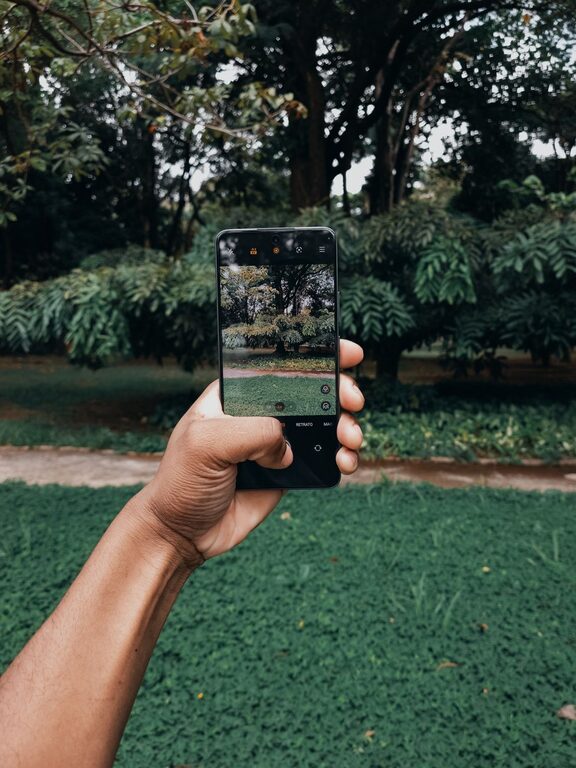
Taking great photos with your phone is easier than ever thanks to advances in technology. Whether you want to snap memorable moments or create artistic shots, your phone’s camera has the potential to deliver impressive results. If you’re new to phone photography, this guide will help you understand simple ways to improve your photos and make the most of your device.
Understand Your Phone’s Camera Basics
Before diving into techniques, familiarize yourself with your phone’s camera app and settings. Each phone may have slightly different features, but most cameras share common elements:
– Camera Modes: Learn what each mode does, such as panorama, portrait, or night mode.
– Focus and Exposure: Tap the screen to focus on your subject and adjust brightness.
– Resolution and Aspect Ratio: Choose the highest resolution for clear, detailed photos.
– Gridlines: Enable gridlines to help with composition using the rule of thirds.
Spending time exploring these settings can help you gain confidence and control over your shots.
Composition Tips: Framing Your Shot
Good composition makes your photos more interesting and balanced. Here are some beginner-friendly tips:
Use the Rule of Thirds
Enable the gridlines in your camera app to divide the frame into thirds both horizontally and vertically. Place points of interest along these lines or their intersections to create a natural look.
Keep It Simple
Avoid clutter by focusing on one subject or a clear point of interest. Minimal backgrounds help your subject stand out.
Experiment with Angles
Don’t just hold your phone at eye level. Try shooting from high above, low to the ground, or from the side to add variety and creativity.
Mind the Background
A busy or distracting background can take attention away from your subject. Look for clean backgrounds or ones that complement your main focus.
Lighting: The Key to Great Photos
Lighting has a huge impact on the quality and mood of your photos. Here’s how to use it to your advantage:
Use Natural Light Whenever Possible
Daylight, especially during the golden hour just after sunrise or before sunset, produces warm and flattering light. Avoid harsh midday sunlight which can cause strong shadows.
Avoid Using the Flash
Phone flash can make photos look harsh and unnatural. Instead, move closer to your subject or find a well-lit area.
Look for Even Lighting
If indoors, position your subject near a window for soft, natural light. Avoid mixing different types of light sources (like fluorescent and warm lamps) to prevent strange color shifts.
Focus and Stability for Sharp Images
Blurry photos are a common frustration, but they can often be avoided.
– Tap to Focus: Always tap on your subject on the screen before taking a photo to ensure sharpness.
– Hold Your Phone Steady: Use both hands and keep your elbows close to your body for stability.
– Use a Timer or Voice Command: If you have shaky hands, set a 2-second timer or use voice control so the phone isn’t moving when the photo is taken.
– Consider a Tripod: For low-light shots or videos, a small phone tripod can make a big difference.
Edit Your Photos for a Polished Look
Even basic editing can enhance your photos and bring out their best qualities. Try these simple adjustments using your phone’s built-in editor or free apps like Snapseed or VSCO:
– Crop and Straighten: Remove distractions and align the horizon.
– Adjust Brightness and Contrast: Improve lighting and make your image pop.
– Saturation and Warmth: Boost colors or add warmth to create mood.
– Sharpen: Enhance details carefully without overdoing it.
Avoid heavy filters that can make photos look unnatural. Subtle edits are usually more pleasing.
Practice Regularly and Have Fun
The best way to improve is by practicing often. Try taking photos in different lighting, with various subjects, and experimenting with composition. Review your shots honestly and learn from what works and what doesn’t.
Remember, the goal is to enjoy the process and capture moments that matter to you.
Summary Checklist for Better Phone Photos
– Explore your camera app features and settings.
– Use gridlines and the rule of thirds to compose.
– Shoot in natural light and avoid flash.
– Focus carefully and hold your phone steady.
– Edit photos subtly to enhance them.
– Practice consistently and experiment.
By applying these beginner tips, you’ll find yourself taking more beautiful and expressive photos with your phone in no time. Happy shooting!