

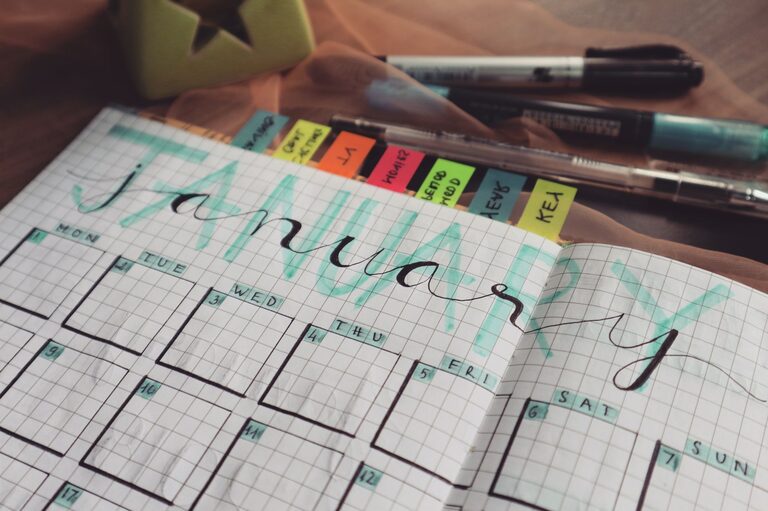
A weekend should be a time to unwind, recharge, and enjoy yourself—free from stress and overwhelm. However, many people find that their weekends somehow end up just as hectic as their weekdays. With a little planning and a few mindful choices, you can create a no-stress weekend that leaves you feeling refreshed and ready for the week ahead.
In this post, we’ll explore practical tips on how to plan a relaxing weekend. Whether you want to catch up on sleep, spend time with loved ones, or enjoy solo activities, these strategies will help you avoid stress and truly enjoy your days off.
Why Planning a No-Stress Weekend Matters
When you don’t plan your downtime, it’s easy to fill your weekend with errands, work, or last-minute activities. This can lead to burnout and reduce your overall well-being. Planning ahead helps you:
– Prioritize relaxation and fun
– Set realistic expectations
– Avoid overbooking yourself
– Create a balanced schedule
A calm weekend can improve your mood, increase energy, and boost productivity for the week ahead.
Step 1: Set Clear Intentions for Your Weekend
Before you fill your calendar, decide what you want from your weekend. Ask yourself:
– Do I want to rest or be active?
– Is spending time with others important to me right now?
– What’s one enjoyable activity I’ve been putting off?
– How much time do I want to dedicate to chores or errands?
Setting these intentions will guide your plans and help you say no to commitments that don’t align with your goals.
Step 2: Create a Flexible Schedule
Instead of packing your weekend full, build a gentle framework to give you structure without pressure.
Tips for a flexible schedule:
– Allow for consistent wake-up and sleep times to maintain your body’s rhythm.
– Block off time for meals, rest, and favorite activities.
– Leave open spaces for spontaneity or extra rest if needed.
– Schedule errands or chores earlier in the weekend to free up later days.
Remember, the goal is to reduce stress, so be kind to yourself if plans change.
Step 3: Prioritize Activities That Help You Relax
Everyone’s idea of relaxation is different. Think about what helps you feel calm and happy.
Ideas to include:
– Taking a walk in nature
– Reading a favorite book or magazine
– Listening to music or a podcast
– Practicing yoga or gentle stretching
– Enjoying a warm bath or skincare routine
– Cooking a comforting meal
Pick activities that don’t feel like a chore but rather a treat.
Step 4: Limit Screen Time and Digital Distractions
Technology can be a source of stress—even on weekends. Constant notifications and social media can interrupt your peace.
How to minimize digital distractions:
– Set specific times to check emails and messages.
– Use “Do Not Disturb” mode during rest periods.
– Try a digital detox by turning off devices for a few hours.
– Replace screen time with offline hobbies or face-to-face interactions.
Reducing screen time supports mental clarity and better sleep.
Step 5: Plan for Physical Activity and Fresh Air
Exercise is a natural stress reliever. You don’t have to do intense workouts; gentle movement is often more effective at relaxing your body and mind.
Simple options include:
– A casual bike ride around your neighborhood
– A stroll in a local park or botanical garden
– Stretching or light yoga at home
– Gardening or doing light outdoor chores
Fresh air and natural light are mood boosters, too.
Step 6: Prepare Your Environment
Your surroundings play a big role in how relaxed you feel.
Tips for a calming space:
– Declutter your main living areas before the weekend.
– Open windows to let in fresh air.
– Use soft lighting, such as lamps or candles.
– Play soothing background music.
– Have cozy blankets and comfortable seating available.
A peaceful environment makes it easier to unwind.
Step 7: Set Boundaries Around Work and Obligations
Avoid checking work emails or answering calls unless it’s absolutely necessary. If possible, inform colleagues or clients that you are offline during the weekend.
Additional boundary tips:
– Turn off work notifications.
– Delegate urgent tasks beforehand.
– Plan errands during weekday evenings if possible.
This separation helps you mentally switch off and focus on rest.
Step 8: Reflect and Adjust for Future Weekends
At the end of your no-stress weekend, take a moment to reflect on what worked well and what didn’t.
– Did you feel refreshed?
– Were there moments of stress? What caused them?
– Which activities brought you the most joy?
Use these insights to improve how you plan your next weekend.
—
Final Thoughts
Planning a no-stress weekend is about making intentional choices that prioritize your well-being. By setting intentions, creating a flexible schedule, including relaxing activities, limiting digital distractions, and caring for your environment, you can transform your weekends into truly restful breaks. Give yourself permission to slow down and enjoy the simple pleasures that make life enjoyable.
Make this weekend your chance to recharge—stress-free!