

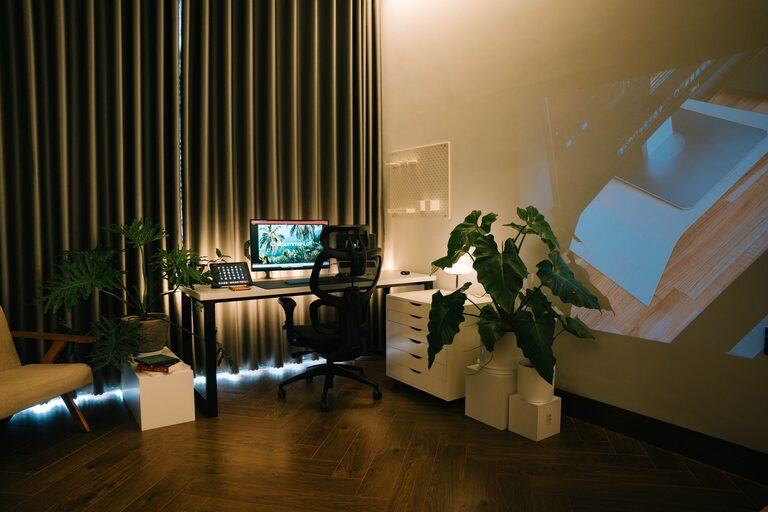
Creating a relaxing home workspace is essential for anyone who spends significant time working from home. A well-designed workspace not only helps you stay organized and focused but also promotes a calm and stress-free environment. Whether you are a freelancer, remote employee, or a student, a comfortable and peaceful workspace can improve your productivity and overall well-being.
In this post, we’ll explore practical ways to create a relaxing home workspace that suits your needs.
Why a Relaxing Workspace Matters
A cluttered or uncomfortable workspace can increase stress and reduce efficiency. On the other hand, a relaxing and well-organized environment encourages creativity, concentration, and motivation. When your workspace feels inviting and soothing, it’s easier to stay engaged and avoid burnout.
Steps to Create a Relaxing Home Workspace
1. Choose the Right Location
Your workspace’s location plays a big role in how relaxed you feel while working.
– Natural Light: Pick a spot near a window to benefit from natural light. Sunlight lifts mood and reduces eye strain.
– Quiet Area: Find a quiet corner away from household noise and distractions.
– Separate Space: If possible, dedicate a separate area just for work. This helps create mental boundaries between work and relaxation.
2. Declutter and Organize
A tidy workspace feels less overwhelming and is easier to maintain.
– Minimal Essentials Only: Keep only the items you need daily on your desk.
– Storage Solutions: Use drawers, shelves, or bins to organize supplies.
– Cable Management: Use clips or ties to keep cords neat and out of the way.
3. Invest in Comfortable Furniture
Comfort is key to maintaining focus and avoiding physical strain.
– Ergonomic Chair: Choose a chair with good back support and adjustable height.
– Appropriate Desk Height: Your desk should allow you to type with elbows at a 90-degree angle.
– Footrest: Consider one if your feet don’t comfortably reach the floor.
4. Add Calming Colors and Decor
Colors and décor can influence mood and productivity.
– Soft Colors: Use neutral or pastel tones on walls and accessories to create a soothing atmosphere.
– Plants: Add a few small indoor plants to bring nature inside; they improve air quality and reduce stress.
– Personal Touches: Display photos, artwork, or meaningful items that inspire but don’t distract.
5. Optimize Lighting
Proper lighting reduces eye strain and boosts energy.
– Layered Lighting: Combine overhead lighting with a desk lamp for flexibility.
– Adjustable Lamps: Use dimmable lamps to control brightness based on the time of day.
– Avoid Glare: Position monitors and lights to prevent glare on screens.
6. Use Pleasant Aromas
Scent can have a calming effect and enhance focus.
– Essential Oils: Diffuse scents like lavender, eucalyptus, or peppermint.
– Candles or Incense: If you prefer, use them safely to introduce gentle fragrances.
7. Minimize Noise Distractions
Sound impacts concentration and relaxation.
– Noise-Canceling Headphones: Invest in a pair to block background noise.
– White Noise Machine: Use a machine or app with gentle sounds like rain or waves.
– Soundproofing: Add rugs or curtains to absorb sound in your workspace.
8. Set Boundaries and Routine
Creating habits helps your brain switch into work mode.
– Set Work Hours: Define when your workday starts and ends.
– Break Times: Schedule regular short breaks to stretch and rest your eyes.
– Declutter Before and After Work: Take a few minutes to reset the space at the end of the day.
Additional Tips for Long-Term Workspace Relaxation
– Regularly Refresh Your Space: Rotate decor or move plants around to keep things fresh.
– Stay Hydrated and Nourished: Keep a water bottle and healthy snacks nearby.
– Incorporate Movement: Use a standing desk or take short walks to avoid stiffness.
– Digital Organization: Keep your computer desktop and files organized to reduce digital clutter.
Conclusion
Designing a relaxing home workspace is a blend of comfort, organization, and personal touches. By selecting a quiet, well-lit location, embracing simplicity, and adding elements that promote calmness, you set yourself up for a more productive and enjoyable workday. Remember, small changes can make a big difference—start with one or two ideas and gradually build your ideal workspace.
A relaxing home workspace isn’t just about aesthetics; it’s about creating a space that supports your well-being and work goals every day.